
Clarksville Road Bridge: One Year Later, and Serious Questions About Accountability

November 2 marked one year since the Clarksville Road Bridge was closed after structural deterioration made it unsafe for continued use.
The closure has disrupted traffic patterns, increased travel times, affected local businesses, complicated emergency access, and placed additional burdens on neighborhoods throughout the surrounding area.
Throughout the past year, I've advocated for greater urgency, transparency, and accountability in addressing this situation.
But as we reach the first anniversary, my concerns increasingly focus on something more fundamental: how this project is being managed and how information about its schedule has been communicated to our community.
The Nine-Month Timeline: An Important Clarification
Earlier this year, following discussions with NJDOT, the Mayor communicated that the temporary repair of the bridge was expected to take approximately nine months.
That estimate understandably created an expectation that the bridge might reopen near the end of 2026.
The Township has recently received an important clarification regarding the anticipated timeline for repairing the bridge.
NJDOT has communicated that its estimated nine-month repair period begins when the necessary access to Amtrak's railroad infrastructure becomes available, rather than when the repair plan was originally announced.
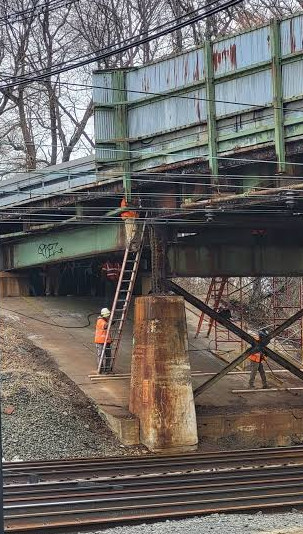
The Township has now been informed that the required access has been obtained, work on the bridge deck is underway, and repairs to the underlying structure have begun. Based on these developments, NJDOT currently anticipates approximately nine months to complete the repairs, placing the estimated completion around August 2027.
The August 2027 estimate is for the temporary reopening of one lane, with traffic signals alternating travel in each direction. The permanent bridge replacement is a separate project.
However, this remains a preliminary forecast rather than a detailed project schedule. The estimate depends heavily on Amtrak continuing to provide predictable and consistent railroad outage windows, and NJDOT has not yet provided a comprehensive schedule identifying the remaining milestones, dependencies, and critical path.
This represents a substantial departure from the timeframe many residents had understood from earlier communications. The nine-month estimate depended on a critical scheduling condition that had not previously been clearly communicated to Council or the public.
I welcome the news that critical structural work has finally begun. But the clarification raises an important question about why such a fundamental project dependency was not made clear months earlier.
Project Governance, Transparency, and Community Impact
My central concern throughout this process has been NJDOT's project governance.
NJDOT owns the bridge and is responsible for managing the project to restore it to service. Amtrak's cooperation is essential, particularly because railroad operations, safety requirements, and access restrictions create genuine constraints. But managing those dependencies is an essential part of NJDOT's responsibility, not something separate from it.
A project of this significance should have an accountable project manager, a realistic schedule, clearly identified milestones and dependencies, and regular reporting on progress and obstacles. I have repeatedly called for this level of transparency, including through Council's September 28 resolution requesting greater schedule accountability.
NJDOT has indicated that it will provide biweekly progress reports. Those updates are welcome, but they are not a substitute for a comprehensive project schedule identifying the remaining work, critical dependencies, and anticipated completion milestones.
The Mayor has remained in frequent contact with NJDOT leadership and has sought assistance from state and federal officials to address the challenges involving Amtrak. Those efforts are important. At the same time, effective coordination also depends on obtaining clear information from NJDOT, questioning the assumptions underlying its estimates, and ensuring that expectations are accurately communicated to our community.
How an Uncertain Timeline Affects West Windsor
The consequences of incomplete schedule information extend well beyond public frustration.
Had the nine-month estimate been clearly presented months ago as dependent on obtaining Amtrak track access, local businesses could have made more informed operating and financial decisions. Emergency services could have evaluated longer-term contingency plans, school transportation providers and educational programs could have adjusted their schedules and resources, and residents and community organizations could have planned for a potentially much longer disruption.
Accurate information would not necessarily have accelerated the repair, but it would have allowed our community to prepare more effectively.
This is why I believe project governance and transparency are not merely administrative concerns. They have tangible consequences for the people and organizations affected by government decisions.
The Federal Dimension: Amtrak Funding and Infrastructure Priorities
There is also a federal dimension to this issue.

Amtrak operates the Northeast Corridor infrastructure beneath the Clarksville Road Bridge and depends on federal appropriations for important parts of its operations and infrastructure programs.
Federal funding for Amtrak's Northeast Corridor grants was reduced by approximately $291 million, or 26 percent, for fiscal year 2026 compared with the previous year.
Although we may not be able to establish whether or to what extent this reduction has directly affected the Clarksville Road Bridge repair schedule, funding decisions at the federal level can influence the resources available to agencies responsible for critical transportation infrastructure.
This is one example of how decisions made in Washington can have implications for communities like West Windsor.
As a new Congress prepares to take office following the November election, federal infrastructure funding and oversight will remain important issues. I hope our congressional representatives will continue working to ensure that essential transportation infrastructure receives the attention and resources it requires.
What Happens Next?
With critical structural repairs now underway, the immediate priority should be obtaining a detailed, realistic project schedule from NJDOT.
That means clearly identifying the remaining work, the availability of required railroad outage windows, the dependencies that could affect progress, and the milestones against which the project can be measured.
The latest NJDOT communication is an important development. It provides greater clarity about the starting point for the estimated nine-month repair period and confirms that structural work has begun.
But it also reinforces the importance of the questions I have been raising throughout this process.
Why wasn't it made clear months ago that the nine-month repair period would not begin until NJDOT obtained the necessary access from Amtrak? What milestones remain? What contingencies exist if railroad access becomes inconsistent? And what schedule can NJDOT realistically commit to?
I will continue working with my Council colleagues, county and state officials, and our congressional representatives to seek answers and advocate for the transparency and accountability this project requires.
After a full year of disruption, residents deserve more than general assurances that work is progressing.
They deserve a credible plan, a realistic schedule, and clear communication about what it will take to reopen the Clarksville Road Bridge.


Comments